Strategies for Halting Common Plumbing Problems in Your Home
WebsiteEvery person is bound to have their unique perception about Tips on How to Prevent Plumbing Issues in Your House.
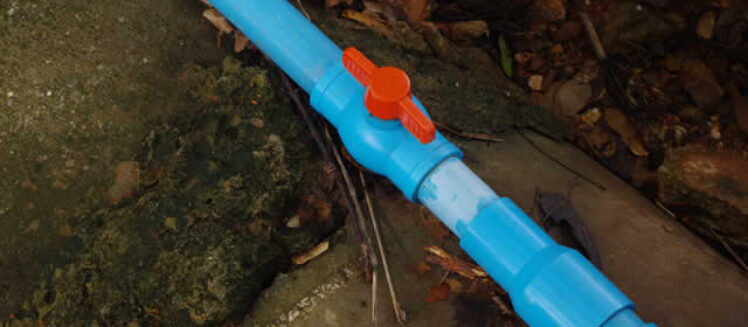
Intro
Maintaining a functional plumbing system is critical for a comfy home. By taking preventive measures, you can avoid common plumbing concerns that may interrupt your every day life and sustain expensive repairs.
Screen Water Pressure
Watch on your water stress to avoid anxiety on your pipelines and appliances. High water stress can cause leaks and damages over time. Take into consideration setting up a pressure regulatory authority to maintain ideal water stress throughout your home.
Inform House Members
Educate every person in your home concerning proper plumbing methods. Show them what need to and should not be purged or taken care of down the drain to prevent avoidable plumbing problems.
Protect Pipelines from Cold
Throughout cold weather, take steps to avoid your pipes from freezing. Insulate revealed pipelines, particularly those in unheated areas like cellars and attics. Permit faucets to drip throughout freezing temperatures to prevent water from freezing in the pipes.
Address Leakages Immediately
Attend to any leakages or leaks as quickly as you observe them. Even minor leakages can waste water and create damage to your home in time. Tighten up loose fittings or change worn-out seals to prevent leaks from intensifying.
Routine Maintenance Checks
Consistently evaluating your plumbing system is necessary for determining prospective issues prior to they rise. Inspect pipes, taps, commodes, and devices for leakages, corrosion, or indicators of wear and tear.
See What You Flush
Be mindful of what you flush down your toilets. Prevent purging things such as wipes, cotton rounds, hygienic items, and paper towels, as these can trigger blockages and backups in your pipes.
Proper Disposal of Oil and Food Waste
Dispose of oil, oils, and food scraps properly to prevent accumulation in your pipelines. Stay clear of putting oil down the drain, as it can solidify and cause blockages. Use a filter in your cooking area sink to catch food particles and empty it on a regular basis.
Be Mild with Plumbing Components
Stay clear of utilizing extreme force when operating plumbing fixtures such as faucets and shutoffs. Misuse can trigger wear and tear, leading to leakages and various other breakdowns.
Regular Drain Cleaning
Schedule regular drain cleaning to prevent accumulation of hair, soap residue, and various other debris. Utilize a drain snake or enzymatic cleaner to get rid of obstructions and keep smooth drain.
Set Up Water Softeners
Think about mounting a water softener if you have hard water. Tough water can create mineral accumulation in your pipes and devices, causing lowered water circulation and effectiveness.
Conclusion
Protecting against typical plumbing issues in your house requires persistance and routine upkeep. By complying with these safety nets, you can guarantee that your plumbing system runs smoothly and stay clear of costly repair services in the future.
What You Can Do To Avoid Plumbing Problems
Preventing Plumbing Issues: What You Can Do
Clogged drains: In commercial and residential buildings, clogged drains are a common issue. You can avoid clogs by refraining from putting certain items and substances down the sink. Certain solids and larger items are an obvious no, but what about liquids? Grease, fats, and even starches like pasta or rice can cause clogs. The same applies to corn husks, coffee grounds, and celery. These stringy items can cause problems with your drains. Make sure you do not put any of these items down your drains. Water temperature issues: Issues with water temperature can be inconvenient and uncomfortable. They may also be a sign that there is an issue with your water heater, which you should have checked out by a professional before it escalates into a more serious problem. Check for leaks, a pilot light that may not be lit, or another visible issue. Call a local plumber to get it checked out and resolved. Sewer odors: You can prevent sewer odors by running water regularly through all your sinks and drains. The u-shaped pipes below your plumbing fixtures, which are called traps, usually keep sewer odors from traveling up into your home or commercial building. If the pipes dry out, the odors may start to travel through. If you notice sewage odors in a drain you don’t use often, try running some water down and through. Clogged toilets: The best way to prevent toilet clogs is by only flushing human waste and toilet paper. Feminine products, hair, medication, dental floss, and even flushable wipes can cause clogs. Most minor clogs can be fixed with a plunger, but if you notice constant clogging or cannot fix a clogged toilet with a plunger, give your local plumber a call. Fixture leaks: The majority of fixture leaks are caused by wear and tear to o-rings, washers, or seals. While wear is normal and can’t really be prevented altogether, you can help by drying fixtures and their seals after use. If you notice any amount of water leaking, it’s important to check it out and call in a professional to get it fixed. Even a small leak can add up to a big waste of water. https://www.jdservicenow.com/blog/what-you-can-do-to-avoid-plumbing-problems/

Do you like reading up on How to Deal With and Prevent Common Plumbing Problems? Post a remark further down. We'd be glad to see your suggestions about this article. Hoping that you visit us again in the future. In case you liked our blog entry please consider to share it. Thank-you for taking the time to read it.
Call